
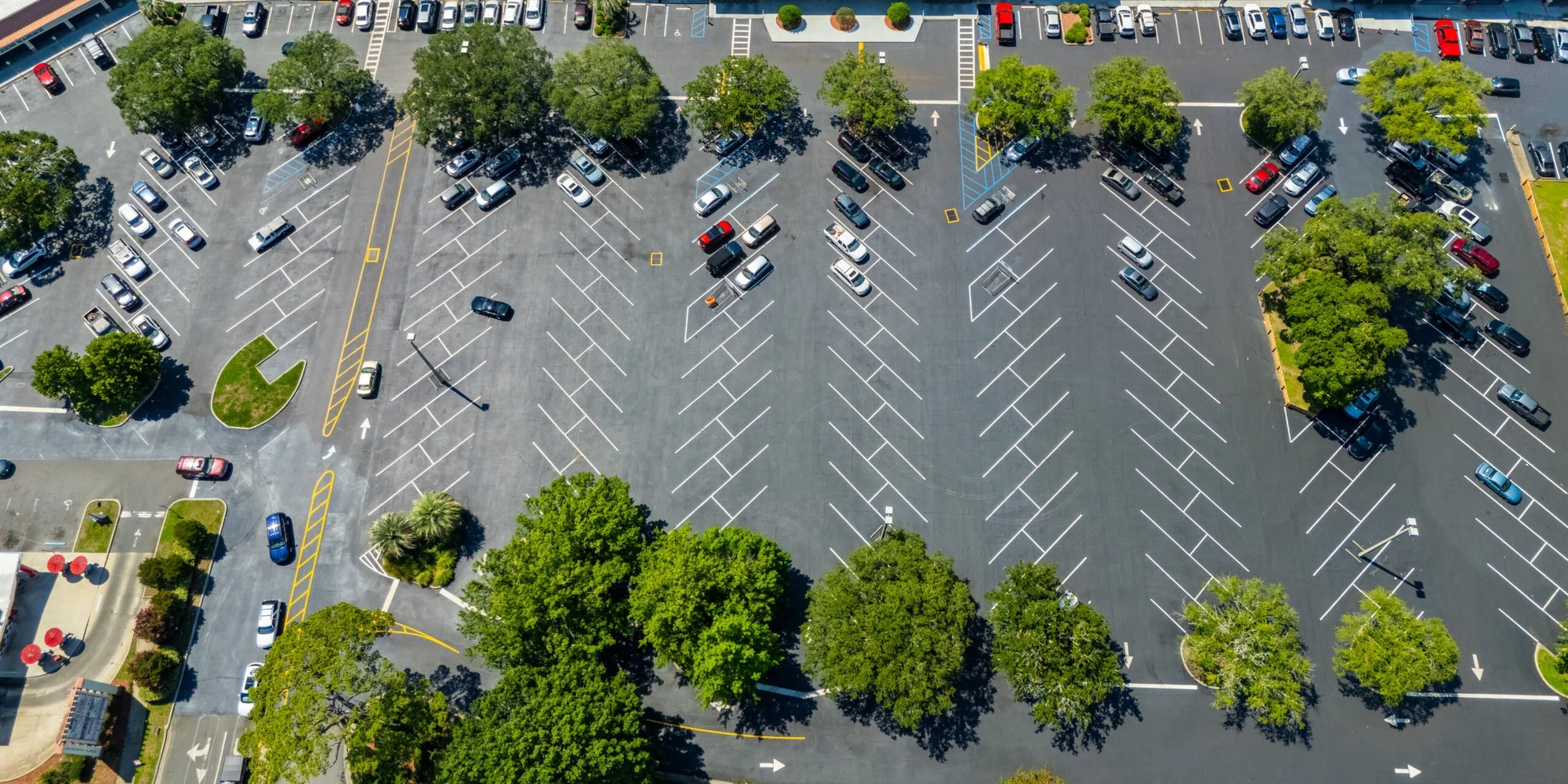
A hurricane can damage a parking lot long after the storm passes. In Apalachicola, water, sand, and debris can soak the base under the asphalt, block drainage, fade markings, and leave behind safety risks that may not show up until the lot dries.
If I had to sum it up in plain terms, it's this:
- Water can get below the surface and weaken support under the lot.
- Blocked drains can trap standing water and lead to more wear.
- Cracks, potholes, sinking, and edge damage may show up after drying.
- Striping and ADA markings can fade or shift, which may affect access and traffic flow.
- The first steps after a storm are cleanup, drainage checks, photos, and a second look once wet areas dry.
- Repairs depend on what the storm changed, especially drainage, surface damage, and marking loss.
What matters most: I would not judge storm damage by appearance alone. A lot may look usable right away, but hidden moisture under the surface can lead to later failure. In many cases, the repeat problem is not just the asphalt surface. It's the water path.
A few layout specifics are worth keeping in mind:
- Florida law sets accessible parking at a 12-foot stall with a 5-foot access aisle (Florida Statute 553.5041)
- Accessible stalls and their access aisles should stay within a 2% max slope
- The access aisle is striped as a no-parking zone, so it has to come back after a storm the same way the stalls do
For a business owner, the short version is simple: clear debris, restore drainage, document damage, wait for saturated areas to dry, then repair the cause, not just the surface. That approach can help cut down on repeat storm damage and lower safety and access issues before the next hurricane season.
The damage hurricane season causes to parking lots
Water intrusion, ponding, and subbase weakening
A parking lot can look fine right after a storm and still have trouble underneath. In many cases, the damage shows up later, once the surface starts to dry.
When heavy rain and storm surge push water into cracks and low spots, that water can move down into the subbase, the compacted layer that supports the pavement. If the subbase gets saturated, it can lose strength. As things dry out, you may start to see potholes, rutting, edge breakup, and sinking.
Debris, sand, and blocked drainage
Coastal storms often leave behind sand, branches, and trash across parking lots. That material can clog curb inlets, drains, and flow lines. When drainage is blocked, water stays on the surface longer, which can increase the chance of subbase saturation and pavement damage.
Blocked drainage can also slow reopening and create safety issues right away. Standing water can make surfaces slippery, and it may hide damage that isn't easy to spot at first.
Worn markings and surface safety hazards
Floodwater and storm debris can wear down painted markings on the pavement. Striping, ADA markings, directional arrows, and crosswalk lines may fade after a storm because of moving water, sediment scrubbing, or cleanup work.
When markings fade, traffic flow and pedestrian guidance can become less clear. ADA stalls that no longer meet the Florida Accessibility Code layout, including the 12-foot stall and 5-foot access aisle standard, can create compliance issues. Loose debris, slick sediment, and uneven edges can also increase trip-and-fall risk.
These signs usually point to the next step: a post-storm inspection of the drainage system and pavement.
What to inspect right after a storm
Inspect in this order: clear the lot, document damage, then recheck wet areas after drying.
Start with cleanup and drainage checks
Clear the lot first so the damage is easier to see. Remove debris, sand, and anything blocking curb inlets, catch basins, and outflow areas. Then walk the lot and check for standing water. Focus on cleanup, drainage, and safe access before you look at the pavement itself.
Once the lot is safe to walk, move to a full damage review.
Document visible and developing pavement damage
After the lot is clear, do a full visual review and document what you find. Look for new cracks, potholes, alligator cracking, washed-out edges, and soft spots. Check wheel stops, curbs, bollards, and signs that may have shifted. Take photos and record locations so you have a clear record for repair planning and insurance.
Pay close attention to ADA stalls. Storm movement or erosion can change slopes and stall dimensions. Accessible stalls and access aisles are held to a maximum 2% slope in any direction, so a surface the storm has shifted can put the lot out of compliance without looking obviously damaged.
Wait for saturated areas to dry before making final repair decisions
Some soft spots may firm up as the lot dries. At the same time, new potholes and cracks can show up after the surface dries out. Repairs made on saturated pavement or on an improperly prepared subbase can fail quickly. Because of that, wait for the lot to dry before making final repair decisions.
| Inspection Category | Inspect For | Why It Matters |
|---|---|---|
| Drainage | Inlets, catch basins, outflow areas | Blocked systems can cause ponding and subbase weakening |
| Safety hazards | Potholes, displaced wheel stops, damaged curbs | Direct trip-and-fall liability |
| ADA compliance | 12-foot stall, 5-foot aisle, 2% max slope, signage | Florida Accessibility Code |
| Traffic control | Fire lane markings, stop bars, directional arrows | Emergency access and traffic flow |
After the inspection, the next step is repair work matched to the type of storm damage found.
Repairs that address storm damage directly
Storm damage and repair reference table
Match each visible problem to the repair that deals with the root cause.
| Storm damage | What fixes it |
|---|---|
| Potholes | Asphalt patching and pothole repair |
| Raveling | Sealcoating |
| Edge breakup | Erosion repair and edge support |
| Low spots and ponding | Drainage work, so water leaves the lot instead of standing on it |
| Surface cracks | Crack sealing with hot rubberized crack filler |
| Faded markings | Restriping to the Florida 12-foot stall and 5-foot aisle ADA layout |
| Damaged signage or bollards | Sign and bollard replacement or reinstallation |
Once you know what kind of damage you're looking at, the next step is simple: pair the repair with the cause behind it.
Surface repairs, sealing, and drainage corrections
After the inspection, deal with the failed areas first. If the lot is still wet, wait until it dries. Then start where the pavement has lost strength or shape, since everything else you do sits on top of that.
Crack sealing should follow. It can help slow more spreading and keep water from working deeper into the pavement. After that, sealcoating helps protect the surface from oxidation and abrasion.
Some problems come back because the water issue never got fixed in the first place. If parts of the lot still hold water after the rest of it has dried, that is a drainage question rather than a surface one, and it is worth having those areas assessed. Depending on what the assessment turns up, the answer can be curbing, erosion repair at the edges, or grading work that a site contractor would take on.
Restriping, ADA markings, and restoring safe traffic flow
Once pavement repairs are done, bring back the markings and accessible stall layout. Accessible markings and stall layout must be restored before the lot reopens fully.
Florida Statute 553.5041 calls for a minimum 12-foot parking stall and a 5-foot access aisle, and it requires the aisle to be striped as a no-parking zone. Storm cleanup often scrubs those aisle stripes down to almost nothing, so put them back with the stalls rather than after.
Repaint the rest of the traffic markings so drivers and pedestrians can move through the lot safely and clearly.
Conclusion: Reducing repeat hurricane damage to your parking lot
Once the lot has been inspected and repaired, the next step is stopping the same problems from showing up next season.
Hurricane season tends to expose weak drainage, worn pavement, and faded markings. If striping is faded or no longer meets ADA needs, it can lead to liability concerns and make post-storm traffic flow harder to manage.
In many cases, the same drainage issues lead to the same damage year after year. When damage keeps coming back, it often points to poor drainage that still hasn't been fixed. Keeping inlets and flow lines clear helps water move off the lot instead of soaking into the base, and where the grade itself is the problem, that is worth getting looked at before the next season rather than after it.
Prevention often costs less than major repair work later. Crack sealing and sealcoating are small jobs next to what a saturated base can turn into after a hurricane. Routine maintenance before hurricane season can also reduce the chance that the same failures return after each storm.
American Curb Appeal, Inc. provides pavement maintenance and ADA compliance and signage solutions in Apalachicola. A professional site assessment can help spot drainage, pavement, and ADA issues before the next storm.
FAQs
How soon should I inspect my parking lot after a hurricane?
Inspect your commercial parking lot as soon as it is safe to get onto the property after a hurricane.
A prompt visual check can help you spot immediate safety issues like debris, clogged drainage areas, or damage to the pavement structure. It can also help limit more pavement damage from water, standing runoff, or blocked access.
Can hidden water damage appear days after the storm?
Yes. Water can seep into pavement through cracks or damaged drainage and soak the base layers below.
When that happens, the foundation can weaken. The trouble is, you may not see the damage right away. In many cases, potholes or sinking show up later, after traffic puts more stress on the area and the weakened section starts to give way.
Regular inspections can help catch these issues early. Probing a soft area with a screwdriver or a similar tool is a quick way to tell whether the trouble stops at the surface or runs into the base underneath.
When should I restripe ADA stalls after storm repairs?
Restripe ADA stalls after all storm repairs are finished and ADA-critical conditions have been checked again. Pay close attention to surface slopes in accessible spaces and access aisles. They must be no more than 2% in any direction. Also check for height changes at patches or utility cuts.
Then restripe if the markings are faded, peeling, cracked, or hard to read so ADA lines and signage placement are clear and compliant.
Need parking lot maintenance?
Contact us today for a free proposal on your next pavement project.
Get Your Free Proposal