
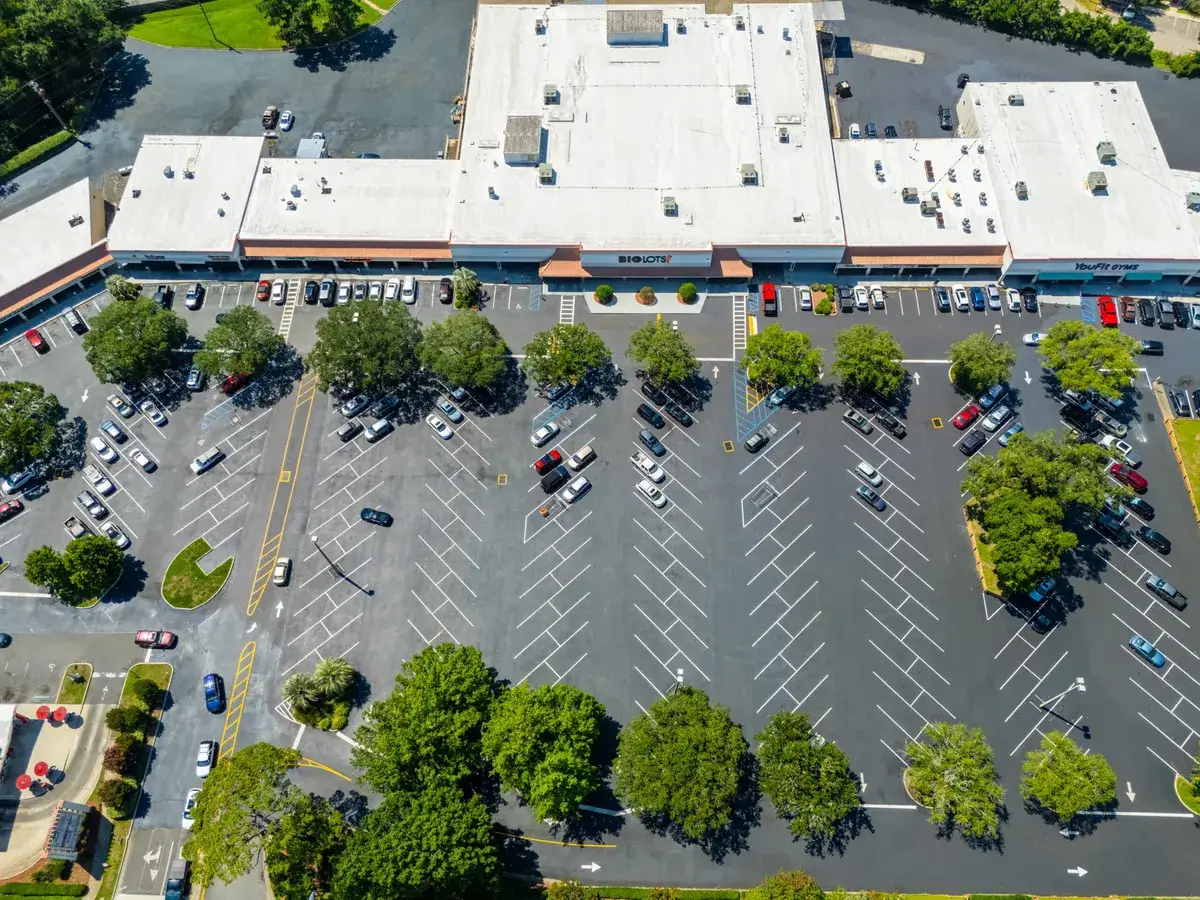
If water keeps sitting in the same part of your lot after rain, it is usually costing you more than a wet surface. It can lead to faster asphalt damage, lost parking spaces, slip risk, blocked ADA access, and repeat repairs that may not last if the drainage issue is still there.
Here's the short version:
- Standing water means runoff is not moving off the lot the way it should.
- Repeat puddles often point to grading, settlement, drain, or base problems.
- The cost can show up in repairs, safety claims, and daily parking use.
- A surface patch alone may not fix it if water still has nowhere to go.
- After repair, post-rain checks can help catch the same low spots early.
I'd look at this as a property problem, not just a puddle problem.
What matters most is finding where the water collects, what changed, and which repair fits that failure. In many cases, the right fix can involve regrading, drain or inlet work, patching, or deeper base repair, depending on the condition of the lot.
If you manage a shopping center in Tallahassee, the main takeaway is simple: standing water can wear down pavement, affect customer access, and keep adding cost until the drainage cause is addressed.
How to tell your lot has a drainage problem
If puddles keep showing up in the same spot, that usually points to poor grading, settled pavement, or a blocked drain. When water collects in the same place after every storm, the issue often goes below the surface. That's why it helps to look past the puddle itself and focus on the marks it leaves behind.
What to look for after rain
The clearest signs are staining, algae, cracking, joint gaps, and debris lines that show where water stops. If you see patches or sealcoat repairs wearing out early, that's often a sign the main issue was never fixed.
It also helps to watch how people move through the lot. Pedestrians often start walking around wet areas without thinking much about it. Those informal paths can show you exactly where the problem zone sits.
Where standing water causes the most trouble in a shopping center lot
The spots that tend to cause the most trouble are the ones customers use every day. ADA spaces are a main concern because settled pavement can trap water and make access harder. Accessible stalls and their access aisles are supposed to stay within a 2 percent slope in every direction, and a low spot that holds water usually means that slope is gone. There is more on the Florida layout rules in our guide to the 17-foot accessible stall envelope.
High-traffic drive aisles are another common problem area. When vehicles make tight turns over damaged pavement, they can wear down the sealcoat faster and add to pavement damage. In a lot that already drains poorly, that repeated stress can make things worse.
What standing water is costing you
Finding the puddle is only the first step. After that, the issue becomes simple: what is it costing your property every day it stays there?
How pooled water speeds up pavement damage
Once ponding starts, you're not just dealing with a puddle. You're dealing with faster pavement wear, more risk, and less usable space.
Water doesn't stay neatly on top of the surface. It slips into cracks, weakens the pavement structure, and speeds up surface breakdown and potholes. And when the base starts to fail, the damage above it often spreads faster.
That is why a patch may not hold if the drainage issue is still there. Surface patching over a wet base can fail quickly, leaving you in the same spot again. On top of that, drivers often steer around standing water. Those tight turns can tear up fresh sealcoating and surface layers, which opens the pavement to even more water intrusion.
Safety and liability risks you cannot ignore
The larger cost can be your exposure to complaints and claims in wet walking areas.
During heavy Florida downpours, pooled water can cover pavement markings, stop bars, and pedestrian crossing zones. That can make it harder for drivers to read the lot and move through it safely.
And the risk doesn't end when the rain stops.
Standing water in accessible spaces can create compliance issues and block safe access.
Daily losses
Recurring puddles can take parking spaces out of service. They can also interrupt foot traffic and make the property look neglected before a visitor even gets to the storefront.
Visible standing water and worn pavement send a clear message: the property may not be getting the care it needs. That kind of loss can keep building until the drainage issue is dealt with.
Fix the cause, not just the puddle
The puddle is the symptom. The cause is often settlement, erosion, root damage, or poor grading that changed runoff. If you only deal with the water you can see, you may end up paying for the same repair twice. The next step is to match the repair to the type of failure.
Repairs that match common drainage failures
Match the fix to the failure. Regrade settled pavement to bring back the right slope. Clean or rebuild a blocked or sunken catch basin. Use a trench drain where water cuts across drive aisles or walkways, but only if it can connect to the storm drain system.
Use asphalt patching only for isolated surface damage when the base and slope are still sound.
When surface repair alone will not solve the problem
A patch over a low spot usually fails for a simple reason: water still has nowhere to go. It keeps weakening the base and eventually breaks back through.
Drainage repair types compared
| Repair Type | Best Used For | Limits |
|---|---|---|
| Regrading | Settled pavement that has lost its slope and sends water to the wrong place | Requires professional equipment to set the proper slope |
| Catch Basin Cleaning/Repair | Inlets that are blocked or have settled below the surrounding pavement | Will not solve ponding if the surrounding pavement has also settled |
| Inlet Elevation Correction | Inlets sitting too high to accept runoff | May require concrete or masonry work around the inlet |
| Trench Drains | Water crossing drive aisles or walkways before it reaches the inlet | Requires cutting into existing pavement and connecting to the storm drain system |
| Asphalt Patching | Isolated surface holes where the base and slope are still sound | Can fail fast if the slope is wrong or the base has failed |
| Base Replacement | Pavement with structural base failure causing low spots to return | Higher up-front cost; requires full removal of surface asphalt |
Once the repair is done, the next step is keeping that same low spot from coming back.
A prevention plan for Tallahassee shopping center lots
After repairs, the next step is routine inspection and maintenance. Once the cause is fixed, regular checks can help keep the same low spots from coming back.
What to check after heavy rain
Walk the lot soon after a heavy rain, while water is still visible. Pay close attention to entrances, front drive lanes, accessible routes, and areas around drainage structures.
Check ADA routes first. Ponding there can point to a slope problem and can create access issues.
Also watch where people walk around puddles. Those detours often show where drainage may need to change.
It also helps to log the same low spots after each storm. Repeat photos can show whether the repair is holding over time.
What a maintenance plan should cover
If those checks keep showing the same pattern, the maintenance plan should deal with it directly.
A maintenance plan should cover:
- Drainage checks
- Pavement repair
- Crack sealing and sealcoating
- Concrete repair
- Debris removal
Sealcoating matters, but so does the material being used. An over-diluted sealer wears off quickly in high-traffic drive lanes, and the pavement underneath loses its protection sooner than expected. For a property manager, asking for the sealer mix design in writing before work starts is a reasonable step. There is more on that in why sealer lasts longer on a driveway than a parking lot.
When to call American Curb Appeal
If the same area keeps ponding, it's usually no longer a basic maintenance issue.
Surface cleanup and debris removal are jobs a property management team can often handle in-house. Figuring out why a low spot keeps returning is a different matter. When standing water affects ADA access routes or drive lane safety, it's time to bring in a professional to trace the cause.
American Curb Appeal has handled pavement maintenance for Tallahassee area properties since 1998. That work includes asphalt repair with full-depth excavation and base stabilization, drainage correction through grading and storm water berms, crack sealing, sealcoating, concrete repair, and ADA-related work on the pavement and the path of travel. For shopping center managers who want a clearer picture of what is failing and why, that kind of coordinated evaluation can be the starting point for longer-lasting results.
FAQs
Why does standing water keep coming back?
Standing water often comes back when pavement maintenance gets pushed aside. When cracks stay open, water can slip below the surface, weaken the base, and lead to more damage over time.
Drainage problems make runoff less effective, so water keeps collecting in the same spots. Routine preventive care, like crack sealing and surface maintenance, can help keep water out and reduce repeat issues.
How do I know if a puddle needs more than patching?
A puddle may need more than a simple patch if the cause goes beyond a small surface flaw. In many cases, standing water points to a larger pavement or drainage problem. Check the area for widespread cracking, rutting, or potholes.
For potholes, act fast. A small hole can turn into a much bigger issue if water keeps getting in.
Use the screwdriver test as a quick field check. Press a screwdriver into the edge of the damaged area. If it sinks in easily with little resistance, the base may be damaged, and the repair may call for full-depth repair rather than a surface patch.
When should I call a drainage repair professional?
Call a drainage repair professional if you notice standing water or washouts. One common example is stormwater from downspouts eroding the base under your pavement.
You should also bring in an expert if you need to change slopes, adjust access routes, or move property access points. Dealing with these issues early can help prevent bigger safety, drainage, and structural problems.
Need parking lot maintenance?
Contact us today for a free proposal on your next pavement project.
Get Your Free Proposal