Tips, strategies, and guides for parking lot maintenance and pavement care.
A residential driveway can stay dark for five years while a busy commercial lot shows wear paths much sooner. Two rules of physics and chemistry own that outcome: 'More is Better' and 'Less is Better.' Here is the breakdown for Tallahassee property owners.
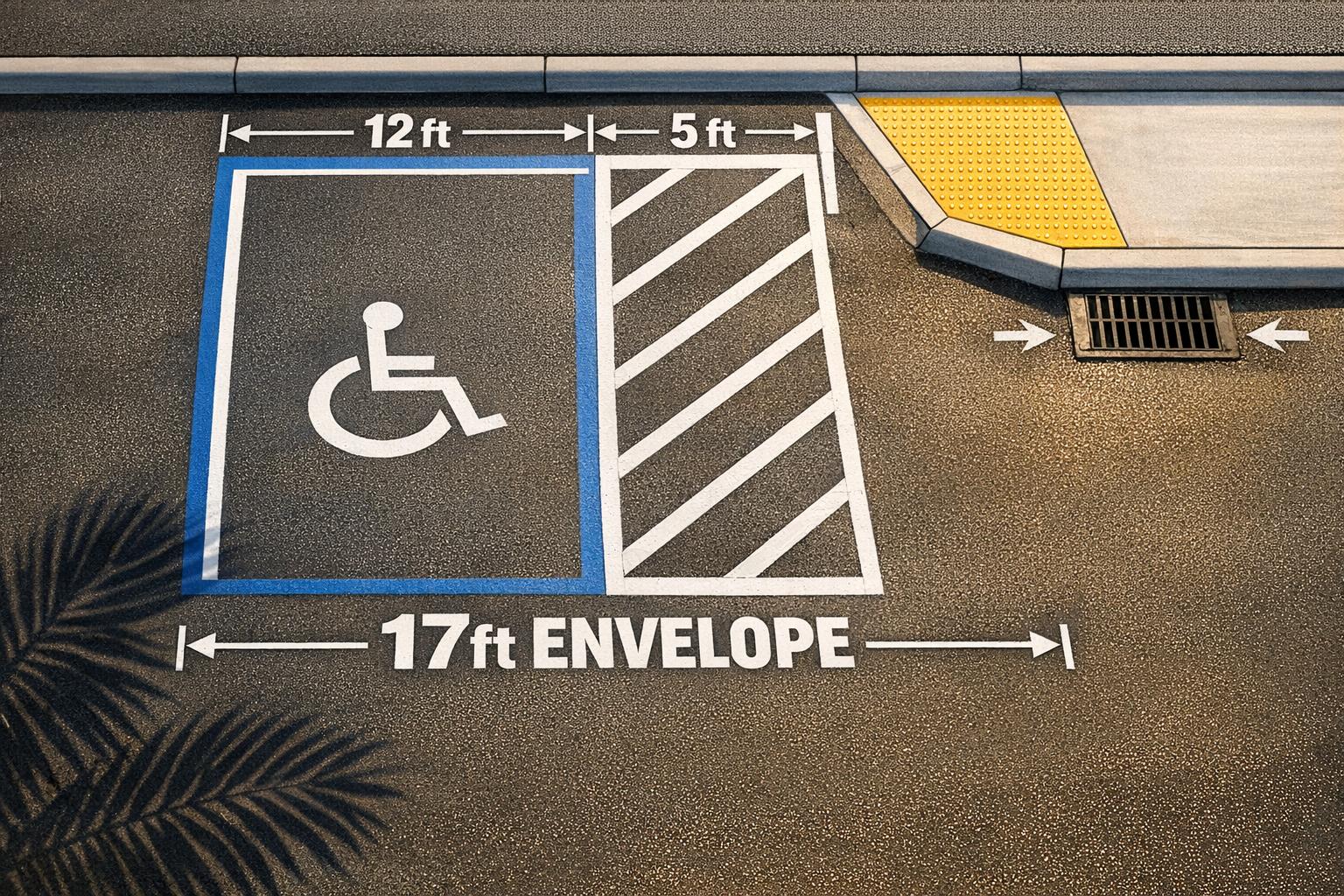
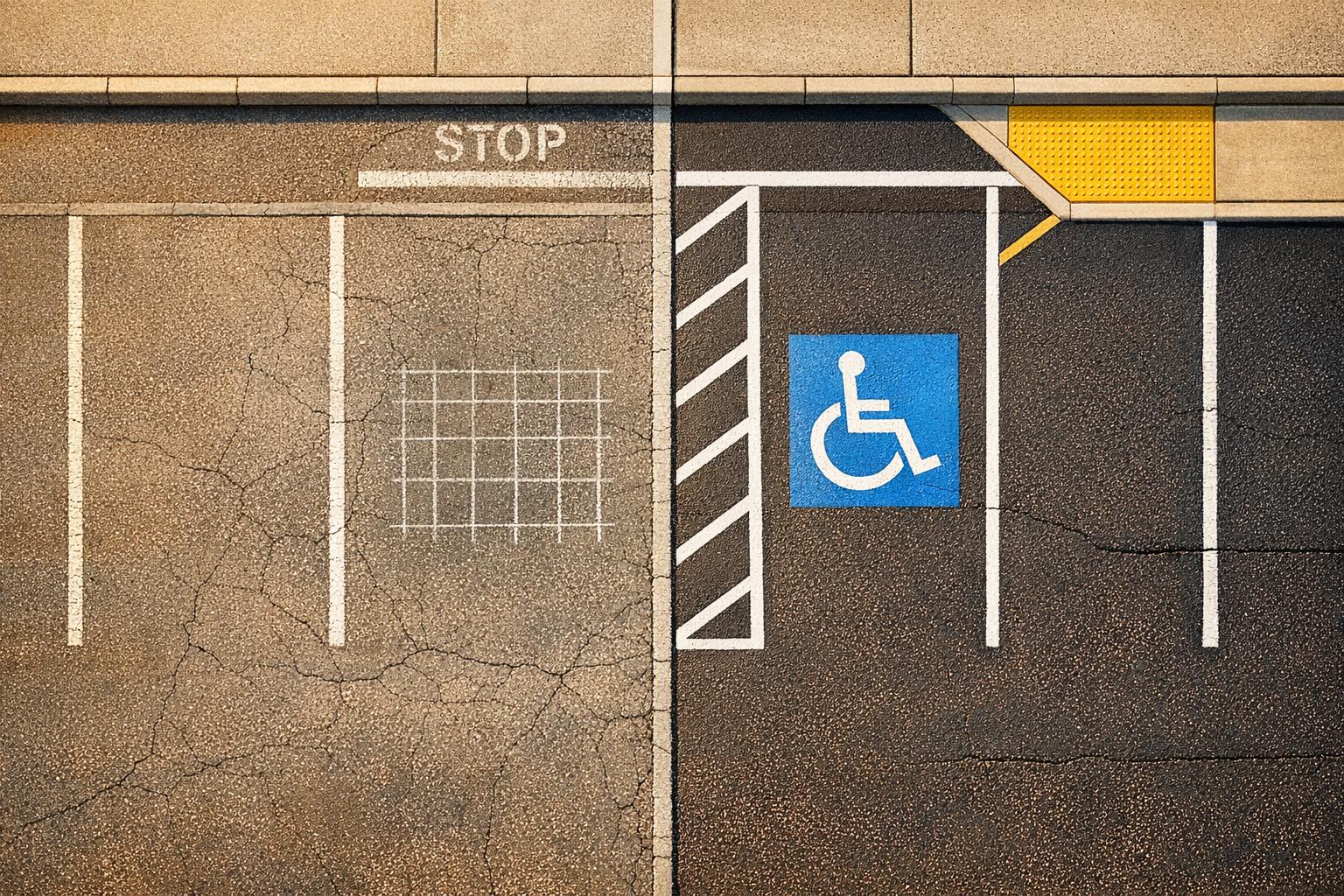
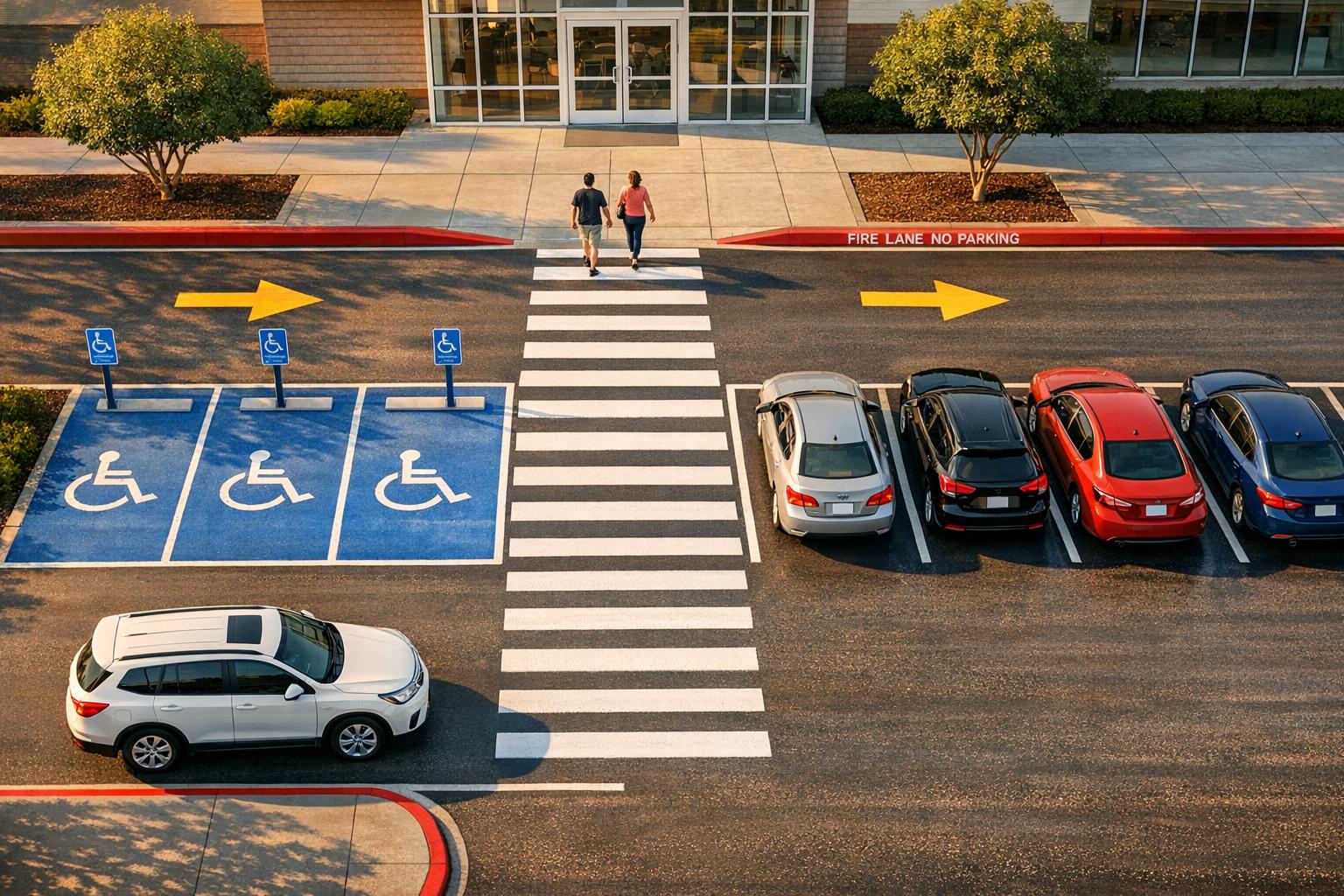
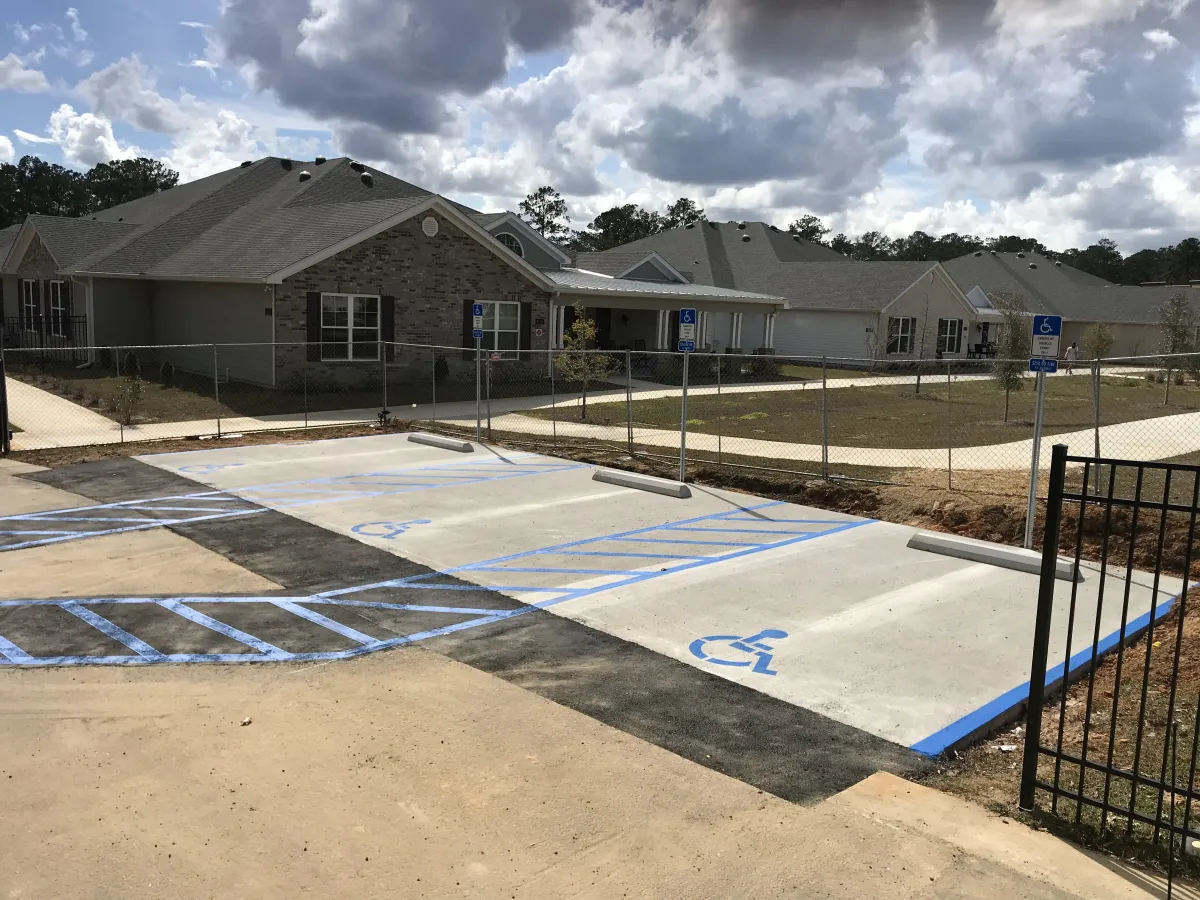
Explains Florida's 17-foot accessible parking layout, code differences with ADA, design, drainage, and maintenance essentials.
Sealcoat and crack-fill within the six-month window to prevent water damage, extend asphalt life, and avoid costly repairs.
Use PCI, inspections, sealcoating, crack sealing and ADA checks to extend pavement life, improve safety, and cut long-term costs.
If the elevation is not right, you are not fixing the problem -- you are just delaying a liability. Learn why managing grade is the difference between a repair that lasts and one that traps water in a different spot.
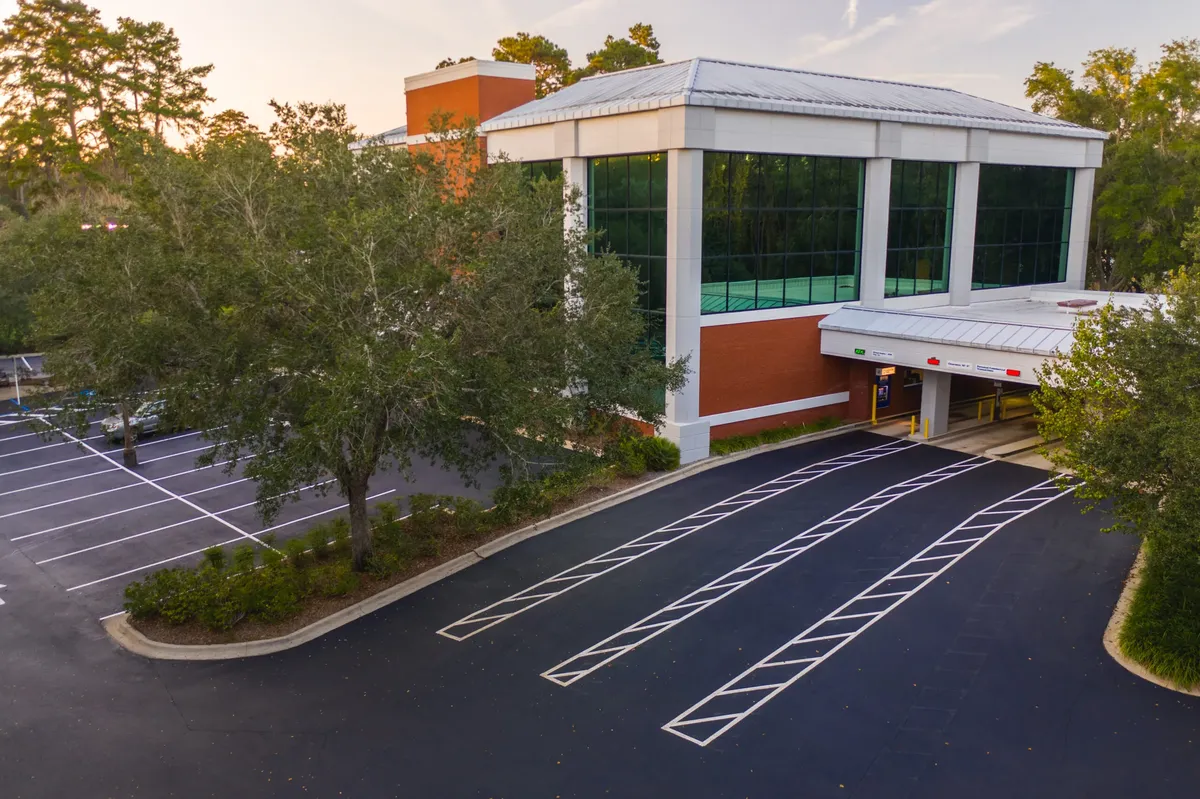
Clear, durable striping in Lake City improves traffic flow, pedestrian safety, and ADA/fire-lane compliance.
Understanding how cracks damage asphalt and why they should not be ignored is the first step in managing your property as a capital asset. Learn the 7/16-inch threshold and why acting early saves thousands.
In the pavement maintenance industry, accuracy is measured in inches. Learn why Florida's ADA accessibility code differs from the federal standard and why the 12/5 rule matters for your parking lot.
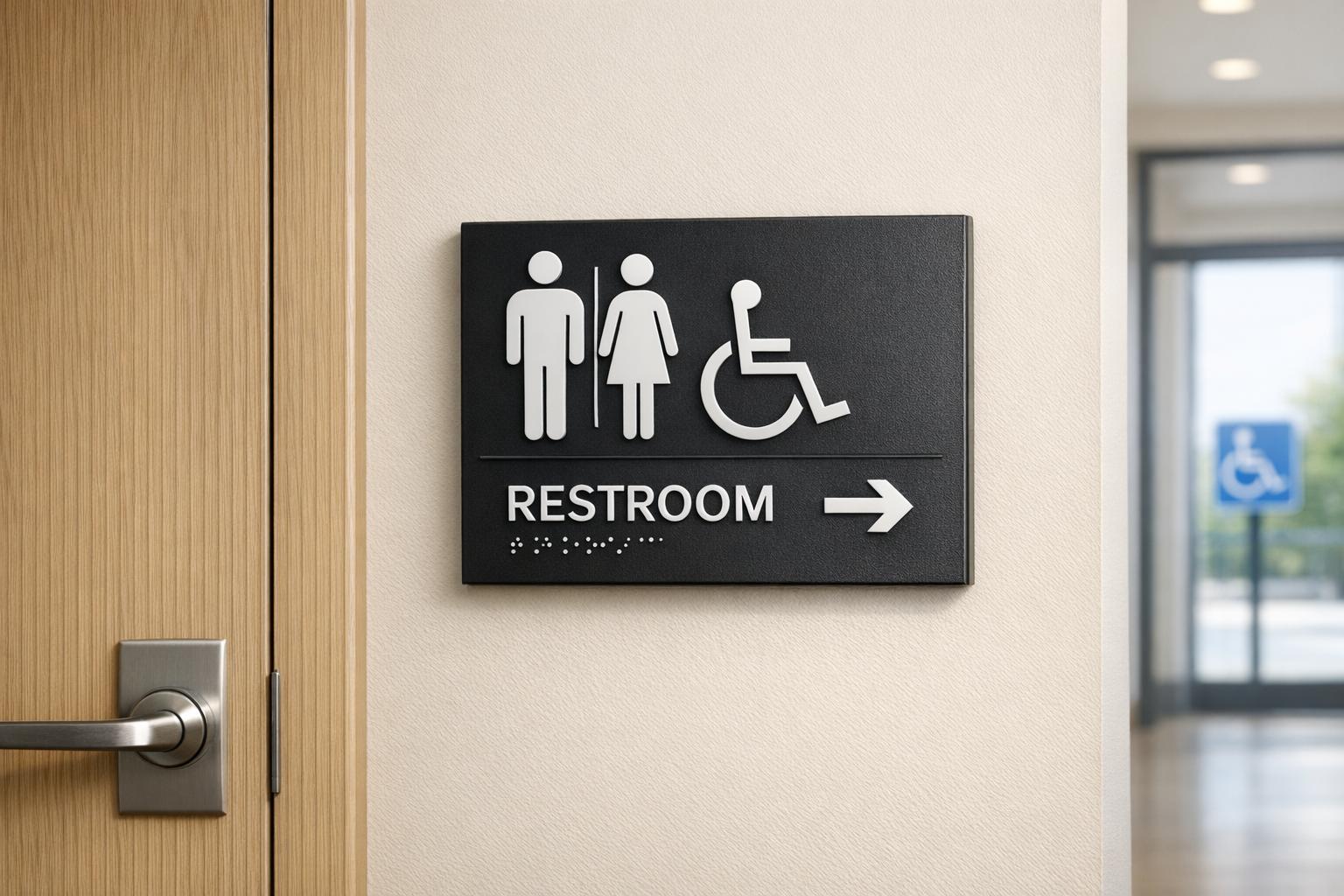
Guide to ADA signage rules: tactile/Braille specs, mounting and parking requirements, wayfinding standards, and fines for noncompliance.
In the pavement industry, there is a significant difference between simply spraying sealer and structural asset management. Learn why the first 6 to 12 months after paving is the critical window for protection.
By submitting this form, you agree to our Privacy Policy.